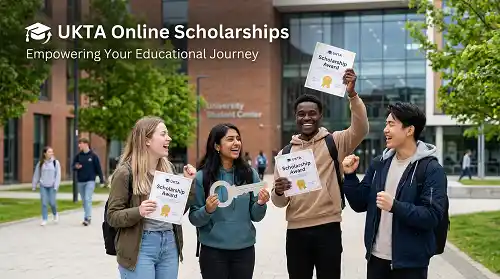
Global Korea Undergraduate Scholarships 2027 in South Korea (Fully Funded). Apply for fully funded scholarships from here. The Global Korea Undergraduate Scholarships (GKS) represent one of the most prestigious fully funded scholarship opportunities for international students seeking undergraduate education in South Korea. This government-sponsored program attracts thousands of applicants annually who dream of experiencing Korean culture while receiving world-class education without financial burden.
For 2027, the Korean government continues its commitment to international education by offering comprehensive funding covering tuition, living expenses, airfare, and Korean language training. This makes GKS an ideal solution for students exploring visa sponsorship for international students and education financing options without requiring education loans without collateral.
Many education consultants for South Korea recommend this scholarship as a strategic pathway not only for academic excellence but also for potential work permit after study opportunities and permanent residence application possibilities. The program has successfully launched thousands of international careers since its inception.
Global Korea Undergraduate Scholarships 2027 Details:
| No. of Awards: | 367 |
| Degree level: | Undergraduate |
| Scholarship coverage: | Fully Funded |
| Eligible nationality: | All Nationalities |
| Award country: | South Korea |
| Last date: | November 2026 |
Understanding the application requirements, selection process, and program benefits proves crucial for success. This comprehensive guide covers everything from eligibility criteria to life in South Korea, helping prospective applicants navigate the student visa application process and maximize their chances of selection.
Whether you’re working with a study abroad consultant near me or applying independently, this article provides essential information about one of Asia’s most competitive and rewarding scholarship programs for undergraduate education.
Bloomberg Harvard Visiting Scholars Program (Funded)
What is the Global Korea Scholarship Program?
The Global Korea Scholarship, formerly known as the Korean Government Scholarship Program, is a fully funded undergraduate and graduate scholarship initiative administered by South Korea’s Ministry of Education and the National Institute for International Education (NIIED). This program demonstrates Korea’s commitment to international education cooperation and cultural exchange.
Established to promote mutual understanding between Korea and other countries, GKS brings talented international students to Korean universities for degree programs across diverse academic disciplines. The scholarship combines academic excellence with cultural immersion, preparing students for global careers in an increasingly interconnected world.
Unlike partial scholarships requiring supplementary education financing options, GKS provides complete financial coverage from arrival to graduation. This comprehensive approach eliminates barriers for exceptional students regardless of economic background, making it particularly attractive to those who cannot afford tuition fee transfer abroad or international student recruitment agency fees.
The program operates through two distinct tracks: embassy recommendation and university recommendation. Both pathways lead to the same benefits but differ in application processes. Immigration consultants often guide students on which track better suits their circumstances and strengthens their overall profile.
For students considering long-term opportunities in Asia, GKS serves as an excellent foundation. Graduates often leverage their Korean education for skilled worker visa requirements in Korea or other countries, with some pursuing permanent residence pathways after gaining professional experience.
Why Choose South Korea for Undergraduate Studies?
Academic Excellence and Global Recognition
South Korean universities consistently rank among the world’s top institutions, with schools like Seoul National University, Korea University, and KAIST earning international acclaim. These institutions offer rigorous academic programs combining theoretical knowledge with practical application, preparing graduates for competitive global job markets.
The Korean education system emphasizes innovation, technology, and research, particularly in fields like engineering, business, IT, and life sciences. Immigration lawyers note that degrees from Korean universities strengthen applications for skilled worker visas worldwide due to their recognized quality and rigor.
International students benefit from cutting-edge facilities, distinguished faculty, and research opportunities typically available only at top-tier institutions. This academic environment attracts the best immigration law firm clients seeking credentials that support future permanent residence applications in developed countries.
Korean universities increasingly offer programs in English, reducing language barriers for international students. However, the scholarship includes Korean language training, enabling students to access even more academic opportunities and integrate fully into Korean society during their studies.
The academic credentials earned through GKS significantly enhance career prospects globally. Education consultants for South Korea frequently cite alumni success stories spanning multinational corporations, international organizations, and entrepreneurial ventures across continents.
INPEX Scholarship Program in Japan (Fully Funded)
Technological Innovation and Industry Connections
South Korea stands as a global technology leader, home to industry giants like Samsung, LG, Hyundai, and SK. Studying in Korea provides proximity to these innovation centers, creating internship and employment opportunities that other locations cannot match.
Universities maintain strong partnerships with corporations, facilitating student internships, research collaborations, and recruitment pipelines. These connections prove invaluable for students planning to pursue work permit after study opportunities in Korea’s dynamic economy.
The Korean government actively promotes startup culture and innovation ecosystems, particularly in Seoul, Busan, and Daejeon. International students can access entrepreneurship programs, incubators, and funding opportunities that support venture creation, potentially leading to investor visa pathways.
Technology-focused programs attract students interested in artificial intelligence, robotics, semiconductor engineering, and digital innovation. Immigration attorneys observe that expertise in these high-demand fields strengthens applications for post study work visas and skilled worker visa categories globally.
Industry exposure during undergraduate studies provides practical experience that complements academic learning. University admission consultants recommend Korean universities specifically for students seeking technology sector careers with international mobility potential.
Affordable Living Costs and Quality of Life
Despite being a developed economy, South Korea offers relatively affordable living costs compared to Western countries. The GKS monthly stipend adequately covers accommodation, food, transportation, and personal expenses, allowing students to live comfortably without seeking education loans without collateral.
Student accommodation in South Korea varies from university dormitories to off-campus housing, with options fitting different preferences and budgets. International student health insurance is included in the scholarship, ensuring medical needs are addressed without financial strain.
Korean cities combine modern infrastructure with rich cultural heritage, offering safe, efficient, and vibrant living environments. Public transportation systems rank among the world’s best, making travel convenient and economical for students exploring the country during their studies.
Quality healthcare, low crime rates, and efficient public services contribute to high quality of life. Education consultants for international students highlight these factors when recommending Korea to families concerned about safety and wellbeing.
The Korean Wave (Hallyu) has made Korean culture globally popular through K-pop, Korean dramas, and cuisine. This cultural appeal attracts students interested in immersive cultural experiences while pursuing academic goals, creating a unique combination unavailable elsewhere.
Asia Pacific University MEXT Scholarship in Japan (Fully Funded)
Gateway to Asian Markets and Global Careers
Korea’s strategic position in Asia provides access to the world’s fastest-growing economic region. Students develop understanding of Asian business practices, languages, and cultural dynamics that prove invaluable in increasingly Asia-focused global careers.
Multinational corporations operating in Korea actively recruit GKS alumni, recognizing their cross-cultural competencies and bilingual abilities. These employment opportunities often include visa sponsorship for international students and pathways to permanent residence application in Korea or other countries.
The Korean language skills acquired during the scholarship period open doors throughout East Asia. Immigration consultants note that multilingual abilities significantly strengthen express entry points calculator scores in countries like Canada and Australia.
Alumni networks from GKS connect graduates across industries and countries, creating professional communities that support career advancement globally. These networks frequently facilitate job opportunities with immigration support, making post-graduation transitions smoother.
For students from developing countries, Korean education provides credentials that enable competitive positioning in both home countries and international markets. Study abroad consultants emphasize this dual advantage when counseling students on destination selection.
Eligibility Criteria for Global Korea Undergraduate Scholarships 2027
Nationality and Citizenship Requirements
The GKS program welcomes applicants from most countries worldwide, with specific eligibility determined annually by the Korean Ministry of Education. Applicants must hold citizenship of their applying country, and both parents must also be non-Korean citizens.
Students with Korean citizenship or dual nationality including Korean citizenship are ineligible regardless of other qualifications. This requirement ensures the program serves its intended purpose of promoting international education rather than supporting Korean nationals studying domestically.
Immigration lawyers emphasize understanding citizenship definitions in both applying countries and Korea, as dual citizenship rules vary internationally. Clarifying status before investing application effort prevents disappointment from technical disqualifications.
Some countries have limited quota allocations based on diplomatic relationships and previous applicant pools. University admission consultants familiar with GKS can advise on competitiveness from specific countries and strategic application approaches.
Refugees and stateless persons may apply if they can demonstrate legal residence status in their applying country with appropriate documentation. Immigration attorney consultation can help these applicants navigate complex documentation requirements successfully.
LawAI Summer Research Fellowship in USA (Fully Funded)
Age and Academic Requirements
Applicants must be under 25 years old as of March 1, 2027, for the spring intake or September 1, 2027, for the fall intake. This age limit ensures program alignment with typical undergraduate timelines and student development objectives.
Academic requirements include high school graduation or expected graduation by the scholarship start date. Applicants must submit complete transcripts demonstrating strong academic performance throughout secondary education, typically requiring minimum GPAs around 80% or equivalent.
Students who have previously enrolled in undergraduate programs in Korea are ineligible, though those who have studied in Korea through exchange programs or language courses remain eligible. This restriction ensures scholarships serve students new to the Korean higher education system.
The program does not accept applicants who have previously received Korean government scholarships for similar purposes. Education consultants for South Korea help candidates assess eligibility when they’ve participated in other Korean programs.
Academic performance relative to educational system context matters more than absolute scores. Selection committees understand varying grading standards globally, so strong performance within your specific educational context qualifies you for consideration.
Richmond Undergraduate Scholarships in USA (Fully Funded)
Language Proficiency Expectations
No specific Korean language proficiency is required for application, as the scholarship includes one year of intensive Korean language training before beginning degree programs. This inclusive approach makes the program accessible to students worldwide regardless of prior Korean language exposure.
For programs taught in English, universities may require TOEFL or IELTS scores demonstrating English proficiency. Minimum requirements vary by institution and program, typically ranging from TOEFL iBT 80 or IELTS 6.0 upward.
Students with previous Korean language education can demonstrate proficiency through TOPIK (Test of Proficiency in Korean) scores. Those achieving TOPIK Level 3 or higher may request exemption from the language training year, proceeding directly to degree programs.
Immigration consultants recommend investing in language preparation regardless of requirements, as stronger language skills enhance both application competitiveness and eventual academic success. Student visa application processes also benefit from demonstrated language commitment.
Language institute performance during the scholarship’s first year affects university placement, making early language investment strategically valuable. Study abroad consultants emphasize that language proficiency directly impacts overall scholarship experience quality and academic outcomes.
Health and Physical Fitness
All selected candidates must undergo medical examinations confirming physical and mental fitness for study in Korea. The examination follows standardized formats provided by NIIED, ensuring consistent health assessment across applicants globally.
Specific health conditions don’t automatically disqualify applicants, but conditions requiring extensive medical intervention or affecting ability to study may raise concerns. International student health insurance covers standard medical needs, but chronic conditions requiring specialized care should be disclosed appropriately.
Mental health receives increasing recognition in international education. Applicants should honestly assess whether studying abroad supports their wellbeing and consult mental health professionals when uncertainty exists about managing mental health internationally.
Vaccinations required for student visa application processes must be current, with documentation provided during medical examinations. Immigration lawyers note that health documentation proves important throughout visa processes and should be organized systematically from application stages.
Physical fitness requirements are minimal, focusing primarily on ensuring students can manage daily life and academic demands independently. The medical examination primarily screens for communicable diseases and conditions requiring disclosure for public health purposes.
Application Process and Requirements
Application Tracks: Embassy vs University Recommendation
The GKS offers two application pathways: embassy track and university track. The embassy track involves applying through Korean diplomatic missions in your country, while the university track means applying directly to participating Korean universities.
Embassy track applications typically open earlier, usually in September-October for the following year’s intake. This pathway often allows broader university choices after selection, as students can apply to multiple universities once awarded the scholarship.
University track applications run through individual universities’ international offices, with varying deadlines typically falling between October and November. This pathway requires selecting and applying to specific universities upfront, with scholarship and admission decisions made simultaneously.
Education consultants for international students help candidates assess which track suits their circumstances better. Embassy track often suits students with strong overall profiles, while university track may benefit those with specific institutional preferences or specialized program interests.
Both tracks lead to identical scholarship benefits and outcomes. Immigration attorney consultation proves less necessary at application stages but becomes valuable later during student visa application processes once selections are finalized.
Required Documents and Materials
A complete application package includes the standardized GKS application form, comprehensive personal statement, study plan outlining academic goals and post-graduation plans, and detailed letters of recommendation from teachers or professors familiar with your academic abilities.
Official academic transcripts from all attended secondary schools must be submitted, along with high school graduation certificates or expected graduation certificates. These documents typically require official translation into English or Korean if issued in other languages.
Language proficiency test scores (TOEFL, IELTS, or TOPIK depending on program language) must be submitted if available, though some applicants may request waivers or substitutions based on educational background in English-medium institutions.
Copy of passport, recent passport-sized photographs, and completed medical examination forms comprise additional requirements. Immigration consultants emphasize ensuring all documents meet specific formatting and certification requirements detailed in application guidelines.
Some universities or embassies request supplementary materials like portfolios for arts programs, research proposals for science programs, or additional recommendation letters. University admission consultants help applicants prepare comprehensive packages exceeding minimum requirements to strengthen competitiveness.
Personal Statement and Study Plan
The personal statement should articulate your motivation for studying in Korea, relevant background experiences, and how the scholarship aligns with your long-term goals. Authenticity and specificity strengthen statements more than generic expressions of interest in Korean culture.
Study plans must detail intended major, academic interests within that field, and how Korean university programs specifically advance your expertise. Research university offerings thoroughly to demonstrate informed program selection rather than superficial interest.
Connecting your proposed studies to future career aspirations and potential contributions to your home country strengthens applications. Selection committees seek students who will become cultural ambassadors and professional leaders, so articulating broader impact enhances competitiveness.
Education consultants for South Korea often provide feedback on draft statements, helping applicants balance personal narrative with strategic positioning. Professional editing services can improve language quality without compromising authentic voice.
Avoid common pitfalls like excessive length, vague generalities, or overemphasis on Korea’s popularity without substantive academic justification. Immigration lawyers note that similar clarity and purpose strengthen visa application documents, making this writing practice valuable beyond scholarship purposes.
Letters of Recommendation
GKS typically requires two recommendation letters from individuals familiar with your academic abilities, character, and potential for success. Ideal recommenders include teachers, professors, school administrators, or academic mentors with direct knowledge of your capabilities.
Recommenders should address specific qualities like intellectual curiosity, academic performance, leadership potential, cross-cultural adaptability, and commitment to your field of study. Generic letters lacking specific examples weaken applications regardless of recommender prestige.
Provide recommenders with comprehensive information about GKS, your academic goals, and specific points you’d like emphasized. This briefing enables more targeted, effective letters that align with selection criteria.
Letters should be submitted on official letterhead, signed, and sealed in envelopes or uploaded through designated portals depending on application track. Study abroad consultants emphasize following submission format requirements precisely to avoid technical disqualifications.
International students sometimes struggle identifying recommenders when educational systems don’t emphasize teacher-student relationships like Western systems. In such cases, school administrators, counselors, or community leaders familiar with your academic work can serve as appropriate recommenders.
Application Deadlines and Timeline
Embassy track applications typically open in September and close in October for the following year’s scholarship. University track deadlines vary by institution but generally fall between October and November.
After submission, the initial screening process extends through winter months, with interviews conducted for shortlisted candidates in early spring. These interviews may occur at embassies or universities depending on application track and location.
Final selections are typically announced in late spring or early summer, approximately six months before scholarship commencement. Successful candidates then begin visa applications and preparation for departure to Korea.
Immigration consultants recommend starting application preparation at least three months before deadlines to ensure adequate time for document collection, writing, and review. Translation requirements, certification processes, and recommendation letter coordination require substantial lead time.
Korean language training for scholarship recipients typically begins in March for spring intake or September for fall intake. Degree programs commence after completing language training, usually one year after initial arrival in Korea.
Financial Benefits and Coverage
Full Tuition Coverage
GKS provides complete tuition coverage for the entire undergraduate program duration, typically four years for most majors and up to six years for medicine and related fields. This eliminates the need for education loans without collateral or other education financing options.
Tuition is paid directly to universities, ensuring students never handle these transactions or face payment uncertainties. This direct payment system contrasts with scholarships requiring tuition fee transfer abroad, simplifying financial management for international students.
The tuition benefit extends to language training year expenses as well, covering the full preparatory period before degree programs begin. Immigration lawyers note that comprehensive financial coverage strengthens student visa application processes by demonstrating adequate funding.
Additional fees beyond tuition, such as enrollment fees or facility fees, are also covered under the scholarship. This comprehensive approach ensures no hidden costs undermine the fully funded nature of the program.
For students from countries where higher education costs prove prohibitive, this complete tuition coverage represents life-changing opportunity. Education consultants for international students emphasize this benefit when counseling students from developing economies about overseas study options.
Monthly Living Allowance
Scholarship recipients receive monthly stipends of approximately 900,000 KRW (around $700 USD) during language training and undergraduate study. This amount adequately covers accommodation, food, transportation, and personal expenses in most Korean cities.
The living allowance continues throughout the academic year including holiday periods, providing financial stability without requiring part-time employment. Immigration consultants note that this eliminates common financial stresses international students face, allowing complete focus on academic success.
Compared to living costs in Western countries, Korean expenses are moderate, and the GKS stipend provides comfortable living standards. Student accommodation in South Korea, whether dormitories or off-campus rentals, fits within budget alongside other necessary expenses.
Students can supplement the stipend through part-time work if desired, though visa regulations limit working hours during academic terms. Post study work visa considerations begin during undergraduate study for students planning to remain in Korea professionally.
Financial aid for international students rarely matches GKS’s comprehensive monthly support. This consistent funding eliminates the uncertainty of grant-dependent or loan-based financing, distinguishing GKS from many scholarship programs globally.
Round-Trip Airfare
GKS provides economy class round-trip airfare between the scholar’s home country and Korea. Initial flights bring students to Korea for program commencement, while return flights support travel home upon program completion or during emergencies.
Airfare coverage eliminates a significant financial barrier for students from distant countries where flight costs might otherwise prove prohibitive. This benefit ensures geographic distance doesn’t determine access to opportunity.
The scholarship also provides settlement allowance upon arrival (approximately 200,000 KRW) to cover initial expenses before the first monthly stipend payment. This prevents financial hardship during crucial first weeks in a new country.
Unlike programs requiring students to arrange and front airfare costs for later reimbursement, GKS typically provides tickets or direct payment to airlines. This approach eliminates cash flow challenges for students from modest economic backgrounds.
Relocation services for students sometimes include airfare arrangements, but GKS’s direct provision simplifies logistics considerably. Study abroad consultants recommend confirming exact airfare procedures during acceptance processes to ensure smooth travel planning.
Korean Language Training
The one-year intensive Korean language program is fully funded as part of the scholarship, preparing students for degree programs taught in Korean. Language training occurs at designated universities’ language institutes with curricula specifically designed for GKS scholars.
This language year represents significant value, as private Korean language programs cost thousands of dollars. The inclusion demonstrates program commitment to ensuring academic success through adequate preparation.
Students achieving high proficiency during language training gain competitive advantages in university placement processes. Strong language skills also support post study work visa opportunities by enabling workplace communication in Korean professional environments.
Language institutes provide cultural activities and excursions alongside linguistic instruction, supporting holistic adjustment to Korean life. These experiences facilitate social integration and cultural understanding crucial for successful undergraduate years.
For students who already possess Korean language proficiency (TOPIK Level 3 or higher), the language year can sometimes be waived, allowing direct entry to degree programs. However, most students benefit from the transition year even with previous language exposure.
Medical Insurance and Healthcare
International student health insurance coverage is included throughout the scholarship period, addressing medical needs without out-of-pocket expenses for covered services. Korea’s healthcare system is efficient and high-quality, making insurance coverage particularly valuable.
The insurance plan covers routine care, emergency services, hospitalization, and prescription medications. Mental health services are increasingly included, recognizing wellbeing importance for international students managing cross-cultural adjustment.
Students must enroll in Korea’s National Health Insurance system, with premiums covered by the scholarship. This ensures access to Korea’s healthcare infrastructure at minimal personal cost.
Immigration attorney consultation is rarely necessary for health matters, but understanding coverage details prevents misunderstandings about covered versus excluded services. Dental and vision coverage may have limitations requiring supplementary arrangements.
Compared to healthcare costs in countries like the United States, Korean medical services are affordable even without insurance. The included coverage nonetheless provides important financial protection and peace of mind for students and families.
Research and Thesis Support
Additional funding supports research activities, thesis preparation, and academic conferences during undergraduate study. These allocations enable students to pursue research interests without financial constraints limiting academic ambition.
Thesis support funding assists with data collection, laboratory fees, publication costs, or other research expenses typical in undergraduate capstone projects. This ensures financial considerations don’t compromise research quality.
Conference attendance funding allows students to present research, network with academics, and engage with their fields beyond campus. These opportunities enhance academic profiles and strengthen applications for graduate programs or skilled worker visa categories requiring demonstrated expertise.
Access to university research facilities, libraries, and databases comes without additional fees. This comprehensive resource access rivals what students at top universities worldwide receive, often unavailable to undergraduates in resource-limited institutions.
For students planning academic careers, this research support provides early experience strengthening graduate school applications or research positions. University admission consultants note that undergraduate research experience significantly enhances competitiveness for top graduate programs globally.
Program Structure and Academic Life
Korean Language Training Year
The scholarship begins with intensive Korean language training at designated universities’ language institutes. Classes typically run five days weekly with 15-20 hours of instruction covering speaking, listening, reading, and writing.
Curriculum progresses from beginner to intermediate/advanced levels, aiming to bring students to TOPIK Level 3-4 proficiency by year end. This level enables following lectures, reading academic materials, and participating in discussions in Korean.
Language classes combine formal instruction with cultural activities, field trips, and conversation practice with Korean students. This immersive approach accelerates language acquisition while supporting cultural adjustment.
Performance during language training affects university placement for degree programs. Strong academic performance and language proficiency increase chances of placement at top-choice universities, making diligence during this year strategically important.
Students exempted from language training due to existing proficiency begin degree programs immediately, but most scholars benefit from the transition year’s academic preparation and cultural orientation before intense undergraduate study.
University Placement and Major Selection
After language training, students are placed in undergraduate programs at Korean universities based on academic performance, language proficiency, preferred majors, and university capacity. Competitive programs at prestigious universities require strong language year performance.
Major selection should align with both personal interests and career goals. Immigration consultants note that certain majors strengthen skilled worker visa applications more than others, particularly STEM fields, business, and technology-related disciplines.
Some majors face restrictions for international students due to language intensity, national security considerations, or licensing requirements. Education consultants for South Korea help applicants understand major availability and restrictions during application planning.
University admission consultants familiar with Korean higher education guide students through placement processes, helping balance prestige, program quality, and realistic competitiveness based on language training performance.
Once placed, changing majors is possible but often complicated, making thoughtful initial selection important. Students should research program requirements, career outcomes, and alignment with long-term goals before finalizing major choices.
Academic Expectations and Coursework
Korean universities maintain rigorous academic standards with substantial workloads across disciplines. Students should expect challenging coursework, significant reading and writing assignments, and competitive academic environments.
Degree programs typically require 120-140 credits over four years, combining major courses, general education requirements, and electives. Course loads average 15-18 credits per semester, requiring consistent study habits and time management.
Teaching styles in Korea may differ from students’ previous educational experiences, often emphasizing lecture-based learning with significant independent study. Adaptation to these pedagogical approaches represents part of the cross-cultural learning experience.
Many programs include practical components like internships, laboratory work, or field experiences. These applied learning opportunities provide valuable professional experience supporting work permit after study applications by demonstrating relevant practical skills.
Academic support services including tutoring, writing centers, and academic advising assist international students navigating coursework challenges. Utilizing these resources demonstrates maturity and commitment to success that immigration lawyers note strengthens future visa applications.
Student Life and Extracurricular Activities
Korean universities offer vibrant campus life with diverse student organizations, cultural clubs, sports teams, and volunteer opportunities. Participation enriches the undergraduate experience beyond academics while building social connections.
Student clubs range from academic and professional organizations to hobby groups, cultural exchange associations, and service organizations. Involvement demonstrates leadership and community engagement valuable for post study work visa applications and employment.
Universities organize festivals, concerts, athletic competitions, and cultural events throughout the academic year. These activities provide enjoyment while deepening cultural understanding and creating memorable experiences.
International student associations specifically support foreign students, organizing social events, providing peer mentorship, and facilitating cross-cultural exchange. These communities ease adjustment and provide support networks during challenging transitions.
Balancing academics with extracurricular involvement develops time management skills and wellbeing. Study abroad consultants emphasize that holistic university engagement enhances overall experience quality and personal development beyond academic credentials alone.
Visa Requirements and Immigration Procedures
D-2 Student Visa Application Process
Upon scholarship acceptance, students apply for D-2 student visas through Korean embassies or consulates in their home countries. This visa category specifically covers degree-seeking international students at Korean universities.
Required documents include acceptance letters from NIIED and assigned universities, completed visa application forms, passport photos, passport validity covering intended stay, and criminal background checks. Immigration consultants help ensure complete documentation preventing application delays.
Some countries maintain visa-waiver agreements with Korea for short visits, but students must obtain D-2 visas regardless, as studying requires appropriate immigration status. Immigration lawyer South Korea consultation can clarify specific requirements for applicants from countries with complex documentation needs.
Processing times vary by country and season, typically requiring 5-15 business days. Applying immediately upon receiving scholarship confirmation prevents timing complications before program commencement.
Visa fees for student visas are generally modest, often under $100 USD depending on nationality and bilateral agreements. This cost represents minimal expense compared to overall scholarship value and educational opportunity.
Alien Registration Card (ARC)
Within 90 days of arriving in Korea, students must register with local immigration offices to obtain Alien Registration Cards (ARCs). These cards function as identification and legal residence documentation throughout the scholarship period.
ARC applications require passports, visa documentation, proof of enrollment, residence address confirmation, passport photos, and application fees. Universities’ international offices typically assist students through this process during orientation periods.
The ARC enables various essential activities including opening bank accounts, registering for mobile phone services, and accessing certain facilities requiring Korean identification. Immigration attorney consultation is rarely necessary for straightforward ARC processes but can help troubleshoot complications.
Maintaining valid immigration status requires keeping information current, including address changes or program modifications. Failure to maintain status can result in visa cancellation and deportation, making compliance crucial.
ARCs must be renewed if study periods extend beyond initial visa validity, though GKS students typically receive visa coverage for entire scholarship durations. Best immigration law firm services become relevant primarily for students pursuing post-graduation immigration opportunities.
Part-Time Work Regulations
D-2 visa holders can engage in part-time work with proper permissions, typically limited to 20 hours weekly during academic terms and full-time during vacations. Working provides supplementary income and professional experience but requires navigating specific regulations.
Students must obtain work permits through Part-Time Employment Permission applications at immigration offices before beginning any employment. Working without proper authorization violates visa conditions and can result in serious consequences including visa cancellation.
Permitted work activities typically include positions at universities, language tutoring, or restaurant service. Some work categories, particularly those in entertainment or activities inconsistent with student status, are prohibited.
Income from part-time work is taxable, requiring proper reporting and compliance with Korean tax regulations. Universities and immigration offices provide guidance on tax obligations for international students engaging in employment.
For students planning eventual skilled worker visa transitions, part-time work provides valuable Korean workplace experience and professional networking. Immigration consultants note that documented work experience strengthens applications for post study work visa categories.
Visa Extensions and Status Maintenance
Maintaining valid visa status throughout undergraduate study requires vigilance regarding expiration dates and timely extension applications when necessary. Most GKS students receive initial visa coverage for language training plus four years, but individual circumstances vary.
Visa extensions require proof of continued enrollment, academic good standing, financial resources (demonstrated through scholarship documentation), and valid passport. Applications should be submitted 2-3 months before current visa expiration.
Changes in circumstances, such as taking leaves of absence, changing universities, or modifying programs, require notification to immigration authorities and potential visa adjustments. Immigration lawyer South Korea services can guide students through complex situations.
Academic probation or failure to maintain satisfactory progress can affect visa status, as student visas assume continuous educational engagement. This academic requirement makes maintaining good standing crucial beyond scholarship continuation.
Understanding immigration compliance from the start prevents problems later. Study abroad consultants emphasize that immigration violations can permanently damage future visa applications worldwide, making careful compliance essential regardless of immediate consequences.
Living in South Korea as an International Student
Accommodation Options and Housing
Most GKS scholars live in university dormitories during language training and often throughout undergraduate study. Dormitories offer affordable, convenient housing with opportunities to build friendships and access campus facilities easily.
Dormitory costs vary by university and room type, typically ranging from 300,000-600,000 KRW monthly for shared rooms. The GKS stipend adequately covers these expenses alongside other living costs.
Off-campus housing options include studio apartments (one-rooms), shared apartments, or boarding houses (hasukjib or goshiwon). These alternatives offer more privacy and independence but require navigating rental procedures and landlord relationships.
Understanding Korean rental systems, including key money deposits (jeonse or wolse), lease terms, and tenant rights, prevents housing complications. University international offices and student services provide guidance, while education consultants for South Korea sometimes offer pre-departure housing orientation.
Student accommodation in South Korea generally includes basic furnishings, internet access, and utilities either included or separately billed. Proximity to campus, transportation access, and neighborhood amenities vary significantly, affecting quality of life and requiring careful selection.
Cost of Living and Budgeting
The GKS monthly stipend of 900,000 KRW covers average student living costs comfortably, including housing, food, transportation, and personal expenses. Budgeting carefully ensures comfortable living without financial stress.
Food costs vary dramatically based on eating habits. Campus cafeterias offer inexpensive meals (3,000-5,000 KRW), while restaurant meals cost more (8,000-15,000 KRW average). Grocery shopping and home cooking provide economical alternatives.
Transportation costs remain modest with student-discounted public transit passes in Seoul and other cities. Monthly transportation cards typically cost 50,000-70,000 KRW for unlimited travel, enabling economical city exploration.
International students should budget for phone service (approximately 50,000 KRW monthly), personal items, social activities, and occasional travel. Education financing beyond the scholarship rarely becomes necessary with prudent budgeting.
Unexpected expenses can arise, making emergency fund building advisable despite comprehensive scholarship coverage. Financial discipline developed during undergraduate years supports future success when managing professional salaries after graduation.
Cultural Adjustment and Social Integration
Adapting to Korean culture involves navigating differences in communication styles, social hierarchies, educational norms, and daily customs. Openness, curiosity, and patience facilitate smoother adjustment than resistance to differences.
Korean society emphasizes respect for age and status, group harmony, and indirect communication in many contexts. Understanding these cultural values prevents misunderstandings and supports relationship building with Korean peers and professors.
Language barriers can frustrate social integration even for students studying Korean. Persistence in language practice, willingness to make mistakes, and seeking Korean friends who appreciate language exchange accelerate both linguistic and social integration.
Universities provide cultural orientation programs during initial periods, explaining customs, practical procedures, and cultural expectations. Participation helps prevent avoidable cultural faux pas and accelerates adjustment.
Homesickness and culture shock affect most international students at some point. Utilizing university counseling services, maintaining connections with home, and building local support networks helps manage these normal adjustment challenges.
Food and Cuisine
Korean cuisine offers diverse flavors and dishes from spicy kimchi and bibimbap to Korean BBQ and street food. Exploring local foods represents a delightful aspect of cultural immersion for most international students.
Campus cafeterias provide affordable Korean meals daily, while neighborhoods around universities feature restaurants at various price points. International food options exist in major cities for students craving familiar cuisines.
Dietary restrictions including vegetarian, vegan, halal, or allergy-based needs can be challenging to accommodate in Korea compared to more diverse food environments. Students with restrictions should learn relevant Korean terms and research accommodation strategies.
Cooking facilities in dormitories or off-campus housing enable preparing familiar foods or controlling dietary intake. International grocery stores in Seoul and major cities stock ingredients for various cuisines.
Food represents social connection in Korean culture, with dining together central to relationship building. Participating in food culture while maintaining personal dietary needs balances integration with individual requirements.
Transportation and Connectivity
South Korea boasts excellent public transportation including subway systems in major cities, extensive bus networks, and high-speed trains connecting regions. Student discounts make transportation affordable for campus commutes and country exploration.
Seoul’s subway system ranks among the world’s most efficient, with English signage and announcements supporting international users. Learning basic navigation skills enables independent mobility throughout the capital region.
Mobile phone service is essential for daily life, with major carriers offering student plans including data, calling, and messaging. Registration requires ARCs, linking phone service to immigration status documentation.
Internet connectivity in Korea is exceptionally fast and widely available, supporting academic research, communication with home, and digital entertainment. Dormitories and cafes provide easy access to connectivity.
For traveling beyond daily commutes, budget airlines, trains, and intercity buses make weekend trips affordable on student budgets. Exploring Korea’s diverse regions enriches the study abroad experience beyond academic pursuits.
Career Opportunities After Graduation
Work Opportunities in South Korea
GKS graduates often pursue employment in Korea through skilled worker visa categories, particularly the E-7 visa for professionals with specialized expertise. Korean degrees and language skills position graduates competitively for these opportunities.
Major corporations including Samsung, LG, Hyundai, and numerous SMEs recruit international graduates for positions leveraging both Korean language abilities and cultural understanding alongside technical expertise. Immigration consultants note increasing employer willingness to sponsor visa sponsorship for international students.
The D-10 job-seeking visa allows graduates up to two years to secure employment in Korea after completing degrees. This generous timeline supports thorough job searches without immediate pressure to leave the country.
Salaries for entry-level positions vary by industry and company size, typically ranging from 30-45 million KRW annually. Competitive compensation, particularly in technology and engineering sectors, supports comfortable living and professional establishment.
Work permit after study processes in Korea are relatively straightforward for university graduates, particularly those from Korean universities with strong language skills. Best immigration law firm services can assist with complex cases or specialized visa categories.
Returning to Home Countries with Korean Credentials
Many GKS alumni return home with degrees from respected Korean universities, Korean language skills, and cross-cultural competencies highly valued in increasingly globalized job markets.
Multinational corporations, Korean companies operating internationally, and organizations with Korea ties actively recruit GKS graduates. These positions often offer competitive compensation and advancement opportunities unavailable to graduates without international experience.
Government positions in home countries may recruit returnees for roles requiring Korea expertise, particularly in trade, diplomacy, education, or cultural affairs. These public sector opportunities contribute to national development while utilizing scholarship investments effectively.
Entrepreneurship represents another pathway, with graduates applying Korean business practices, technology, or innovation approaches in home country contexts. Some maintain Korea connections, facilitating bilateral business relationships.
The scholarship typically requires no home country return obligations, unlike some programs mandating service periods. This freedom allows graduates flexibility in career planning based on opportunities rather than restrictions.
Graduate Studies and Further Education
Some GKS undergraduate recipients continue to graduate programs, either in Korea or internationally. The undergraduate credentials and research experience strengthen applications to competitive graduate programs worldwide.
Korean government offers separate GKS programs for graduate study, though undergraduate recipients may face limitations on consecutive awards. Alternative funding through university scholarships, research assistantships, or external fellowships enables graduate education continuation.
Top universities globally recognize Korean university degrees, making applications to American, European, or Australian graduate programs viable. University admission consultants help former GKS scholars navigate these applications effectively.
Graduate study in Korea offers pathways to deeper specialization, research careers, or eventual academic positions. Immigration attorney consultation becomes relevant for students pursuing long-term academic careers in Korea requiring appropriate visa categories.
The decision between immediate employment and further education depends on career goals, financial considerations, and field-specific norms. Education consultants provide guidance balancing these factors against individual circumstances and aspirations.
Permanent Residence and Long-Term Immigration
Graduates pursuing long-term futures in Korea can explore permanent residence application pathways, typically requiring several years of legal residence and meeting specific criteria including language proficiency, financial stability, and good conduct.
The F-2 residency visa represents a pathway to permanent residence, available to those meeting points-based criteria considering factors like Korean language ability, income, age, and education. GKS graduates often score favorably due to Korean degrees and language skills.
Marriage to Korean citizens provides alternative immigration pathways, though this personal decision should never be motivated primarily by immigration considerations. Immigration lawyer South Korea consultation helps navigate family-based immigration processes.
Entrepreneurship offers pathways through D-8 or D-9 visas for those establishing businesses in Korea. Successful ventures can eventually support permanent residence applications based on business contributions and economic integration.
Long-term career establishment in Korea, particularly in sought-after professional fields, strengthens permanent residence application prospects. Immigration consultants specializing in Korean immigration provide strategic guidance for those planning extended stays.
Comparing GKS with Other Asian Scholarships
MEXT Scholarship (Japan)
Japan’s MEXT Scholarship offers similar fully funded undergraduate opportunities with comparable benefits including tuition, monthly stipends, and airfare. Both programs rank among Asia’s most prestigious government scholarships for international students.
MEXT requires Japanese language proficiency either before application or through preparatory programs, similar to GKS’s language training year. The language requirements and cultural contexts differ, making destination choice depend on regional interests.
Japan’s higher living costs compared to Korea mean MEXT stipends must cover more expensive daily life, though both programs calibrate allowances to local costs. Education consultants for international students help candidates compare actual living standards beyond nominal stipend amounts.
Academic cultures differ between Japanese and Korean universities, affecting learning environments and student experiences. Researching these cultural differences helps applicants select destinations matching their learning style preferences.
Both credentials strengthen skilled worker visa applications globally, with choices between them depending more on regional career interests, language preferences, and cultural affinities than credential value differences.
Chinese Government Scholarship (CSC)
China’s CSC program offers scholarships to numerous countries with varying benefit levels depending on bilateral agreements. Some CSC scholarships match GKS’s comprehensive funding while others provide partial support requiring supplementary financing.
China’s massive university system and diverse program offerings exceed Korea’s options, though Korean universities concentrate quality at top institutions. University admission consultants help candidates assess program quality beyond institutional quantity.
Language considerations differ, as Mandarin Chinese and Korean present different learning challenges and global utility. Immigration consultants note that Chinese language skills open opportunities across broader geographic regions given Chinese economic influence.
Living costs in Chinese cities vary dramatically, with first-tier cities like Beijing and Shanghai expensive while other regions remain economical. GKS benefits apply primarily in Korean contexts with more consistent cost structures.
Both programs support pathways to regional expertise valuable in increasingly Asia-centric global economy. Study abroad consultants recommend considering long-term career geography when selecting between Chinese and Korean opportunities.
Taiwanese Government Scholarships
Taiwan offers multiple scholarship programs for international students, generally providing generous funding though sometimes less comprehensive than GKS. Taiwan’s programs appeal to students interested in Chinese language and culture in democratic contexts.
Taiwan’s education system combines Chinese academic traditions with significant Western influences, creating distinctive learning environments. The cultural and political differences from mainland China attract students preferring Taiwan’s specific context.
Mandarin Chinese learned in Taiwan (Traditional Chinese) differs from Simplified Chinese used in mainland China, affecting long-term language utility. Korean language skills, while regional, avoid these standardization complications.
Taiwan’s technology sector, particularly semiconductors, rivals Korea’s innovation economy. Students interested in tech careers find excellent opportunities in both countries, making industry preferences relevant to destination selection.
Immigration pathways in Taiwan differ from Korea, with distinct visa categories and permanent residence processes. Immigration lawyer consultation specific to intended destination countries clarifies long-term immigration prospects informing initial study destination choices.
Success Stories and Alumni Testimonials
Academic and Research Achievements
GKS alumni include numerous scholars who leveraged undergraduate experiences into successful graduate programs at top universities worldwide. One African scholar used his Korean engineering degree to secure a fully funded PhD at a leading American university, now conducting cutting-edge research.
Another alumna from Southeast Asia combined her Korean business degree with startup experience to establish a successful social enterprise operating across three countries. Her venture addresses development challenges while generating sustainable employment.
Several GKS graduates have returned to home countries as university faculty members, bringing Korean educational approaches and research methodologies to local academic contexts. These academic careers multiply scholarship impact beyond individual recipients.
Alumni frequently report that undergraduate research opportunities in Korea exceeded expectations, enabling publications and conference presentations uncommon at undergraduate levels elsewhere. These accomplishments strengthen graduate applications and professional profiles substantially.
The combination of rigorous academics, research exposure, and international perspective cultivates intellectual development that education consultants for international students consistently cite when recommending Korean undergraduate education.
Professional Success and Career Advancement
GKS graduates work across industries and sectors globally, with significant numbers employed by multinational corporations, Korean companies, international organizations, and government agencies. Career trajectories reflect scholarship investment in developing globally competent professionals.
One Latin American graduate joined a major Korean corporation’s international division, managing regional operations and eventually receiving permanent residence through employment-based immigration. His career demonstrates post study work visa pathways available to successful graduates.
Another alumnus from Central Asia returned home to government service, leveraging Korean education in economic policy roles. He credits GKS with providing perspectives and networks that accelerated career advancement beyond what domestic education alone would enable.
Technology sector success stories abound, with graduates employed by leading IT companies, startups, and research institutes. Immigration consultants note that technology expertise combined with Korean language skills creates unique value propositions in competitive job markets.
Entrepreneurship among alumni demonstrates program impact on innovation and economic development. Several graduates have established ventures ranging from education technology to sustainable development enterprises, applying lessons from Korean innovation ecosystems.
Cross-Cultural Impact and Leadership
Beyond professional achievements, GKS alumni serve as cultural bridges promoting understanding between Korea and their home countries. This diplomatic impact, while difficult to quantify, represents significant program value.
Alumni associations in numerous countries organize events, support prospective applicants, and maintain Korea connections. These networks strengthen bilateral relationships at grassroots levels beyond official diplomatic channels.
Many graduates engage in volunteer work or civil society organizations addressing development challenges, applying knowledge and perspectives gained through Korean education. This social impact demonstrates scholarship success beyond individual career metrics.
Leadership development during undergraduate years prepares alumni for community and professional leadership roles. University admission consultants observe that international education experience consistently correlates with enhanced leadership capacity.
The diverse alumni community represents GKS’s comprehensive success, with achievements spanning academics, business, public service, and social enterprise. These testimonials provide compelling evidence for prospective applicants considering this transformative opportunity.
Common Application Mistakes to Avoid
Superficial Interest in Korean Culture
Applications emphasizing K-pop or Korean dramas without substantive academic or professional justifications appear superficial to selection committees. While cultural interest is valid, applications must demonstrate serious academic purpose.
Successful applicants connect cultural appreciation to academic goals, explaining how Korean context specifically advances expertise or career objectives. Education consultants for South Korea help candidates frame cultural interests within strategic academic narratives.
Generic statements about Korea’s economic development or technological advancement without specificity lack persuasiveness. Research concrete examples, specific programs, or particular faculty that justify studying in Korea over alternatives.
Failing to articulate clear post-graduation plans raises questions about how scholarships advance candidates’ trajectories and contribute to bilateral relationships. Immigration consultants emphasize that clear goal articulation strengthens all international applications.
Authenticity matters more than attempting to mirror assumed preferences. Selection committees value genuine motivation and clear thinking over attempts to provide expected answers without personal conviction.
Incomplete or Poorly Prepared Applications
Missing documents, late submissions, or technical errors in applications disadvantage strong candidates unnecessarily. Meticulous attention to requirements and deadlines prevents these avoidable problems.
Poorly written personal statements or study plans with grammatical errors, unclear logic, or excessive length undermine otherwise strong applications. Professional editing and multiple revisions improve quality substantially.
Generic recommendation letters lacking specific examples or enthusiastic endorsement provide minimal value. Brief recommenders thoroughly and provide materials enabling them to write compelling, detailed letters.
Failing to research universities, programs, and faculty demonstrates insufficient preparation. Study abroad consultants emphasize that specific knowledge about Korean higher education distinguishes competitive applications from generic submissions.
Ignoring application instructions regarding formatting, word limits, or submission procedures shows carelessness that selection committees interpret as indicator of likely academic performance. Following instructions precisely signals professionalism and attention to detail.
Unrealistic Academic or Career Plans
Overly ambitious study plans attempting to master multiple disciplines simultaneously appear unrealistic and suggest poor planning. Focused, achievable academic goals demonstrate maturity and strategic thinking.
Vague career objectives lacking connection to proposed studies raise concerns about candidate focus and scholarship alignment with development goals. Clear articulation of how studies advance specific career pathways strengthens applications.
Choosing majors solely based on perceived prestige without genuine interest or aptitude risks academic failure and dissatisfaction. University admission consultants advise aligning major selection with authentic interests and abilities.
Neglecting to research major availability or restrictions for international students leads to complications during university placement. Some programs face limitations making advance research crucial for realistic planning.
Failing to consider how Korean education integrates with long-term career geography and plans reduces scholarship strategic value. Immigration lawyer consultation during planning stages helps candidates consider long-term immigration implications of study destination choices.
Frequently Asked Questions (FAQs)
Can I apply if I’ve already started university elsewhere?
Students who have enrolled in undergraduate programs previously are generally ineligible for GKS undergraduate scholarships. The program targets students beginning university study, not transfers. Some exceptions may exist for students who attended only briefly, requiring specific case evaluation.
Students with some university credits should carefully review eligibility requirements or consult embassy officials before investing application effort. Immigration consultants familiar with GKS can clarify individual eligibility questions.
Those who have completed undergraduate degrees and seek further bachelor’s degrees are ineligible, as GKS supports first undergraduate completion. Graduate scholarship programs serve those with completed bachelor’s degrees seeking advanced study.
What majors are available to international students?
Most academic disciplines are available to international students including humanities, social sciences, natural sciences, engineering, and business. Specific program availability varies by university and their international student policies.
Restricted majors sometimes include medicine, pharmacy, Korean traditional medicine, aviation, and fields involving national security considerations. Education consultants for South Korea maintain updated information on major restrictions across universities.
Majors requiring extensive Korean language proficiency beyond typical TOPIK Level 3-4 may prove challenging for international students despite technical availability. Realistic self-assessment of language ability relative to program demands prevents academic struggles.
Can I work while studying on GKS?
Part-time work is permitted with appropriate authorization during academic terms (limited to 20 hours weekly) and full-time during vacation periods. Work permission applications through immigration offices are required before beginning any employment.
The generous GKS stipend makes work optional rather than necessary for most students. Those choosing to work do so for experience, additional income, or professional networking rather than financial survival.
Unauthorized work violates visa conditions and can result in scholarship termination and visa cancellation. Immigration attorney consultation clarifies work authorization procedures for students uncertain about compliance requirements.
What happens if I fail courses or don’t maintain good academic standing?
GKS requires maintaining satisfactory academic performance with minimum GPA requirements, typically around 2.0-2.5 on 4.0 scale depending on university standards. Failing to meet these standards can result in scholarship warnings or termination.
Students receiving academic warnings typically have one semester to improve performance before facing scholarship cancellation. Universities provide academic support to help struggling students succeed rather than immediately terminating support.
Scholarship termination due to academic failure requires students to either leave Korea or secure alternative funding and visa status. Best immigration law firm consultation may help navigate options in these difficult situations.
Can my family visit me during my studies?
Family members can visit on tourist visas, with duration and requirements varying by nationality and Korea’s visa policies. These visits allow family to experience your life in Korea without requiring student-dependent status.
Bringing family members as long-term dependents on student visas is generally not permitted for undergraduate students. The D-2 visa structure assumes individual students rather than family units.
For married students or those with dependents, clarifying family policies during application helps prevent misunderstandings. Some extraordinary circumstances may receive consideration requiring specific case discussion.
Will GKS help me get permanent residence in Korea?
GKS itself doesn’t provide permanent residence, but Korean education, language skills, and professional experience gained strengthen eventual permanent residence applications significantly. Many alumni successfully pursue long-term immigration after establishing careers.
The F-2 residency visa points system favors Korean university graduates with strong language skills. GKS alumni often accumulate points efficiently due to these credentials.
Permanent residence requires multiple years of legal residence, typically five years minimum, along with meeting financial, linguistic, and conduct requirements. Immigration consultants provide strategic guidance for those planning long-term immigration.
Final Tips for Application Success
Start Preparation Early
Beginning application preparation at least six months before deadlines allows adequate time for document collection, writing, revisions, and unexpected complications. Early preparation prevents rushed, lower-quality submissions.
Use preparation time to research universities, programs, and Korean higher education thoroughly. This knowledge strengthens application materials and demonstrates genuine commitment to selection committees.
Contact current GKS scholars or alumni for insights about application strategies and program experiences. These firsthand perspectives provide valuable guidance unavailable through official sources alone.
Craft Compelling Narratives
Personal statements should tell coherent stories connecting past experiences, current aspirations, and how GKS specifically enables your goals. Narrative coherence distinguishes memorable applications from forgettable ones.
Demonstrate self-awareness about strengths, areas for growth, and how Korean education addresses development needs. Honest, reflective writing resonates more than claims of perfection.
Connect individual goals to broader contributions, whether to home countries, specific fields, or international understanding. Selection committees seek scholars who will multiply scholarship impact beyond personal benefit.
Seek Feedback and Refine
Request feedback on draft materials from teachers, mentors, education consultants, or accomplished writers. Fresh perspectives identify weaknesses or unclear sections you might miss.
Revise multiple times, focusing each iteration on specific improvement aspects like clarity, concision, persuasiveness, or grammar. Excellent applications rarely emerge from single drafts.
Read applications aloud to catch awkward phrasing or logical gaps. This technique identifies issues visual reading alone misses.
Present Professional Materials
Ensure all documents are professionally formatted, clearly readable, and error-free. Visual presentation affects first impressions and signals respect for selection committees’ time.
Follow all formatting requirements precisely, including margins, fonts, spacing, and document organization. Technical compliance demonstrates attention to detail valued in academic contexts.
Organize application packages logically with clear labeling and complete documentation. Making reviewers’ jobs easier through professional presentation can positively influence evaluation.
Conclusion: Your Path to Global Korea Scholarship Success
The Global Korea Undergraduate Scholarships 2027 represent transformative opportunities for international students worldwide to receive world-class education in one of Asia’s most dynamic countries without financial burden. For qualified, motivated candidates, GKS offers not just education but potential career launching pads and cross-cultural experiences that shape lifelong trajectories.
Success requires strategic preparation combining excellent academics, compelling application materials, and clear demonstration of how Korean education advances your goals. Immigration consultants and education consultants for South Korea can provide valuable guidance, but ultimately your authentic motivation and careful preparation determine outcomes.
Beyond immediate educational benefits, GKS positions graduates for diverse opportunities including employment in Korea or internationally, graduate studies at top universities, entrepreneurship, or public service careers. The Korean credentials, language skills, and networks developed create competitive advantages in increasingly globalized professional environments.
For students from any country, regardless of economic background, GKS provides accessible paths to excellence. The program’s comprehensive funding, absence of nationality restrictions, and support throughout academic journeys demonstrate Korea’s commitment to educational cooperation and international development.
Begin your journey today by thoroughly researching requirements, preparing strong application materials, and taking concrete steps toward joining the distinguished community of GKS scholars advancing knowledge and building bridges across cultures.
Official Link
Official Scholarship and Visa Application Websites
| Resource | Website | Purpose |
|---|---|---|
| National Institute for International Education (NIIED) | https://www.studyinkorea.go.kr/ | Official GKS information, application guidelines, and updates |
| Korean Ministry of Education | https://www.moe.go.kr/ | Government education policies and scholarship program oversight |
| Korea Immigration Service | https://www.immigration.go.kr/ | Visa information, D-2 student visa requirements, and immigration procedures |
| Hi Korea (Immigration Services) | https://www.hikorea.go.kr/ | Online immigration services, visa extensions, and alien registration |
| Korean Embassy Locator | http://www.mofa.go.kr/eng/ | Find Korean embassies and consulates for embassy track applications |
| Study in Korea (NIIED Portal) | https://www.studyinkorea.go.kr/en/main.do | Comprehensive information on studying in Korea for international students |
| GKS Application Portal | https://www.gks.go.kr/ | Online application submission for university track applications |
| TOPIK (Korean Language Test) | https://www.topik.go.kr/ | Information on Korean language proficiency testing |
| Korean University Information | https://www.academyinfo.go.kr/ | Database of Korean universities and program information |
| National Health Insurance Service | https://www.nhis.or.kr/ | Health insurance enrollment and information for international students |
Stay Connected!
Never miss a scholarship deadline! Join our channels for daily fully-funded opportunities & instant alerts.